What is CBD?
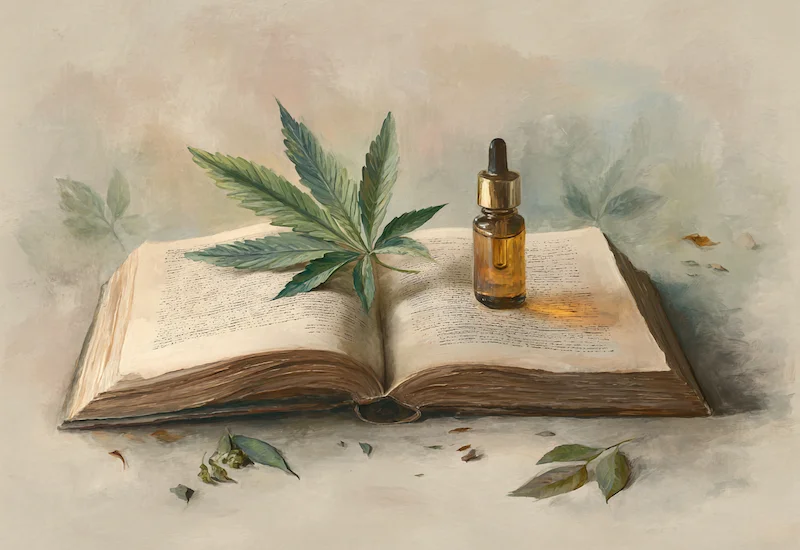
CBD (cannabidiol) is a non-psychoactive cannabinoid primarily derived from industrial hemp cultivated to meet strict THC limits (typically below 0.2 – 0.3% in Europe). Unlike THC, which is responsible for the “high” in cannabis, CBD offers potential therapeutic benefits without intoxicating effects.
Industrial hemp is grown specifically to deliver higher CBD content with minimal THC, supporting legal and safe product development. For brands, understanding the cannabinoid profile is vital not only for labelling and compliance but also for creating products that appeal to consumers seeking natural, non-intoxicating wellness solutions.
How is CBD Made?
CBD production begins with carefully cultivated industrial hemp that meets legal THC thresholds. The extraction process is critical for preserving quality, purity, and consistency in the final product. Among various methods available, CO₂ extraction is widely regarded as a standard for commercial production because of its ability to deliver clean, solvent-free extracts while maintaining cannabinoid integrity.
By using food-grade CO₂ under controlled temperature and pressure, manufacturers can reliably produce high-purity CBD oil that meets regulatory standards. For brands sourcing wholesale CBD, verifying that suppliers use reliable, compliant extraction methods is key to ensuring product quality and protecting their reputation in a competitive market.
Cannabinoids and the Endocannabinoid System (ECS)
CBD is just one of many cannabinoids naturally present in hemp. These compounds interact with the body’s endocannabinoid system (ECS), a complex network of receptors that help regulate functions such as mood, sleep, appetite, and immune response. Unlike THC, CBD does not produce intoxicating effects, making it appealing for wellness-focused formulations.
What are Cannabinoids
Cannabinoids are plant-derived compounds found in the Cannabis sativa plant. Scientists have identified more than 100 cannabinoids, including CBD and THC. While THC is known for its psychoactive effects, CBD and other cannabinoids like CBG and CBC are non-psychoactive and valued for their potential wellness applications.
These compounds can be used in a variety of product types, giving retail brands flexibility in developing diverse, compliant product ranges to meet different customer needs.
What is the Endocannabinoid System
The endocannabinoid system (ECS) is a biological system discovered in the 1990s that helps maintain balance in the body. It includes cannabinoid receptors (CB1 and CB2) found throughout the central and peripheral nervous systems.
CBD is thought to influence the ECS indirectly, helping to support the body’s natural regulatory processes without causing psychoactive effects. This subtle interaction is one reason for CBD’s growing popularity in wellness and skincare markets across Europe.
What is the Entourage Effect
The “entourage effect” is the idea that cannabinoids, terpenes, and other hemp compounds work better together than in isolation. Rather than acting alone, CBD may be more effective when combined with other naturally occurring elements of the plant.
This concept supports interest in full-spectrum and broad-spectrum CBD products, as they retain more of the plant’s natural profile. For retail brands, understanding the entourage effect can help in selecting product ranges that appeal to customers looking for comprehensive, plant-based wellness solutions.
Types of CBD Products
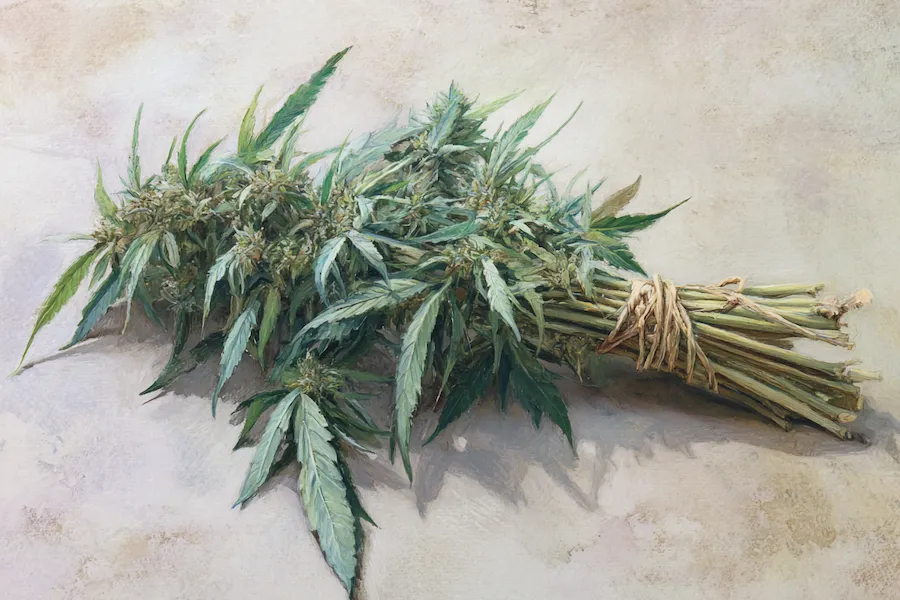
CBD products can vary widely in composition. Knowing the differences is important for choosing the right range for your market and ensuring accurate, compliant labelling.
-
Full-Spectrum CBD: Contains CBD plus other cannabinoids (including trace THC), terpenes, and flavonoids. Designed to maximise the entourage effect while staying within legal THC limits.
-
Broad-Spectrum CBD: Includes multiple cannabinoids and terpenes but has THC removed. Popular with consumers wanting the benefits of multiple compounds without any THC content.
-
CBD Isolate: Pure CBD with all other cannabinoids and plant compounds removed. Ideal for products needing guaranteed THC-free content, often used in cosmetics or formulations with precise dosing.
If you wish to know more about the different types of CBD oils, their differences, potential benefits, uses in product formulation and regulatory landscape – you can read this detail article: “Different types of CBD“.
The Evidence for CBD Health Benefits
Scientific research into CBD is still developing, but many studies suggest it may have potential for managing anxiety, sleep issues, pain, and inflammation. There is also well-documented evidence supporting CBD’s use in treating certain forms of severe childhood epilepsy, with authorised medicines such as Epidiolex providing proven seizure reduction.
While interest in CBD’s therapeutic uses is growing, brands should be cautious about making definitive health claims. Staying informed about the latest evidence helps retailers provide clear, responsible guidance to customers.
Is CBD Safe?
CBD is generally considered to have a good safety profile when used appropriately. However, like many active ingredients, it can cause mild side effects in some users and may interact with certain medications.
Retail brands should ensure that products include clear usage guidelines and disclaimers, helping customers make informed decisions, especially if they have existing health conditions or are taking prescription medicines.
Common Side Effects
CBD products can occasionally cause mild side effects, which brands should communicate clearly to build trust with customers:
-
Drowsiness: May aid sleep for some but can be unwanted during daytime use.
-
Gastrointestinal Issues: Including stomach discomfort or, in rare cases, elevated liver enzymes with high doses.
-
Dry Mouth: Often called “cotton mouth,” linked to reduced saliva production.
-
Nausea: Typically seen with higher doses or sensitive individuals.
Is CBD Legal?
CBD’s legal status varies across Europe. Generally, products must meet strict THC limits (often below 0.2 – 0.3%) to be considered legal. Some countries, like Sweden and Norway, only permit THC-free CBD products.
Retail brands should stay up to date on local regulations and ensure their products meet all legal requirements in each market. For a detailed country-by-country breakdown, see our separate guide on CBD legality in Europe.
Summary
CBD is a natural, non-psychoactive compound derived from hemp with growing popularity in wellness markets across Europe. As consumer demand increases, retail brands have opportunities to offer safe, high-quality, and well-regulated products.
Understanding what CBD is, how it is made, and how it interacts with the body helps brands choose the right product range, communicate clearly with customers, and maintain compliance with local laws. By staying informed and working with reliable suppliers, retailers can build trust and succeed in this evolving market.